
Most junk car sales go exactly the way they’re supposed to: a fair quote, a scheduled pickup, and payment that matches what was agreed on. But the handful of sellers who do run into trouble tend to hit the same few patterns, which is part of why junkyard scams and junk car buyer scams are worth researching before you make a call. None of this is about assuming the worst of every buyer. It’s about knowing what a legitimate transaction actually looks like so a bad one stands out immediately. This guide covers the scam patterns sellers should watch for when selling a junk car in Alberta, what protects you regardless of who you end up selling to, and where to go if something feels off.
What Are the Most Common Junk Car Buyer Scams?
Five patterns account for most of the trouble sellers run into, and knowing them ahead of time makes each one easier to spot.
What Is the Bait-and-Switch Junk Car Quote Scam?
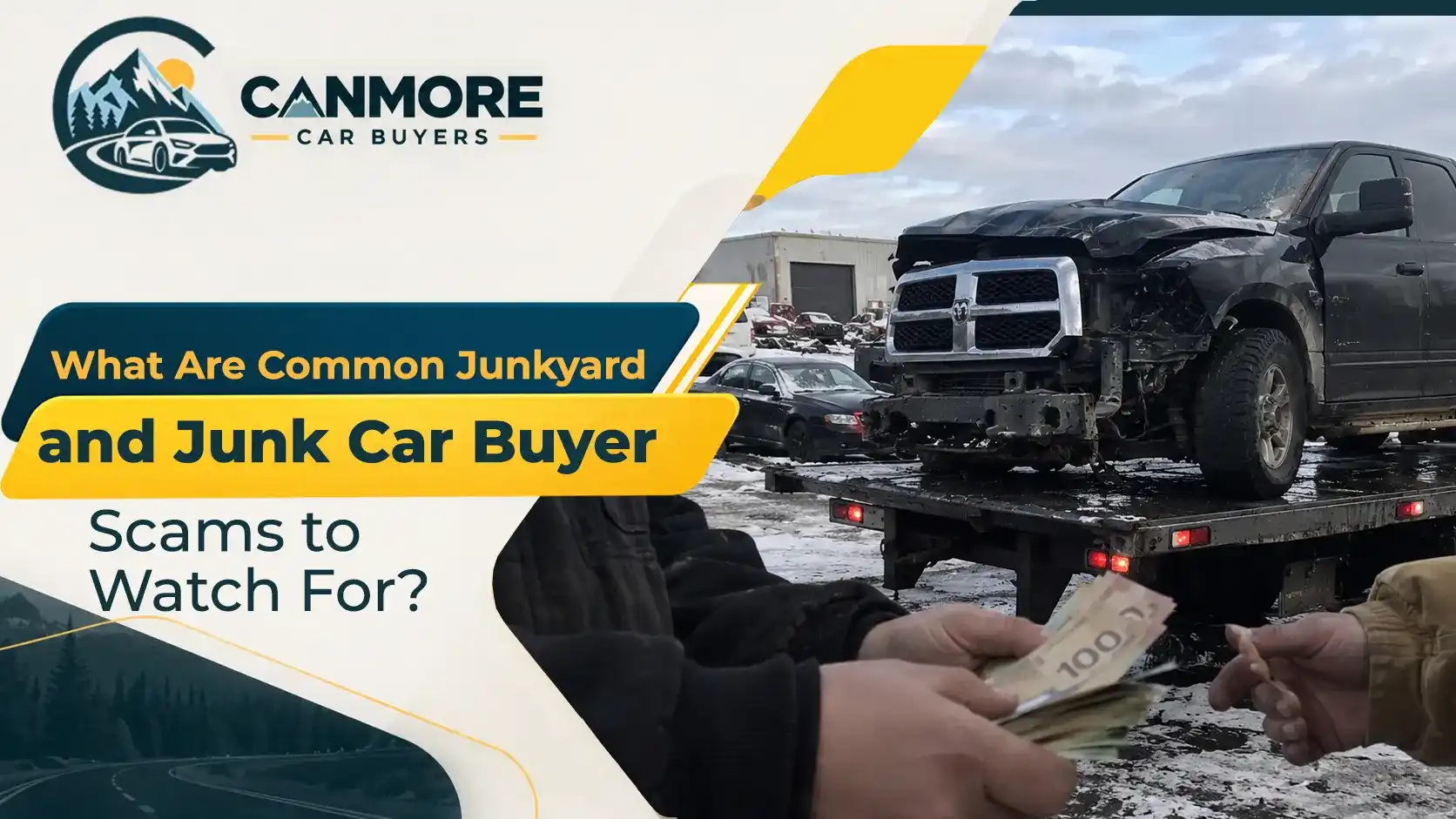
A buyer quotes a strong number over the phone, then finds a reason to drop it once the truck actually arrives.
Sometimes the reason is real; a vehicle’s condition can legitimately differ from what was described. But a pattern of high phone quotes that consistently shrink at pickup, with vague or shifting explanations each time, points to a sales tactic rather than an honest reassessment.
This is a scam pattern sellers should watch for precisely because it’s hard to prove after the fact. Once the tow truck is already at your curb and the driver is quoting a lower number, most sellers feel pressure to accept it rather than send the truck away empty. A legitimate buyer explains upfront what could change the price and sticks to that reasoning rather than inventing a new issue on the spot, and they won’t rely on the awkwardness of a wasted trip to get you to accept less.
Can a Junk Car Buyer Add Surprise Towing or Storage Fees?
For covered towing and storage services, Alberta’s Vehicle Towing and Storage Regulation, in effect since April 1, 2026, requires the business to get consent before towing, provide a written estimate of all costs beforehand, and issue an itemized invoice before payment. Businesses that don’t follow these rules can face significant fines, so a buyer operating legitimately has every reason to give you the full cost picture upfront rather than surprise you later.
Where the regulation applies, a towing or storage business that adds costs that weren’t included in the required estimate isn’t following it, and unexpected charges you never agreed to are exactly the kind of practice this regulation was written to stop. Ask for the full cost picture, in writing, before a truck is dispatched, not after it’s already loaded your vehicle, and don’t assume a fee is standard just because it’s presented that way at the last minute.
Why Would a Junk Car Buyer Insist on Cash?
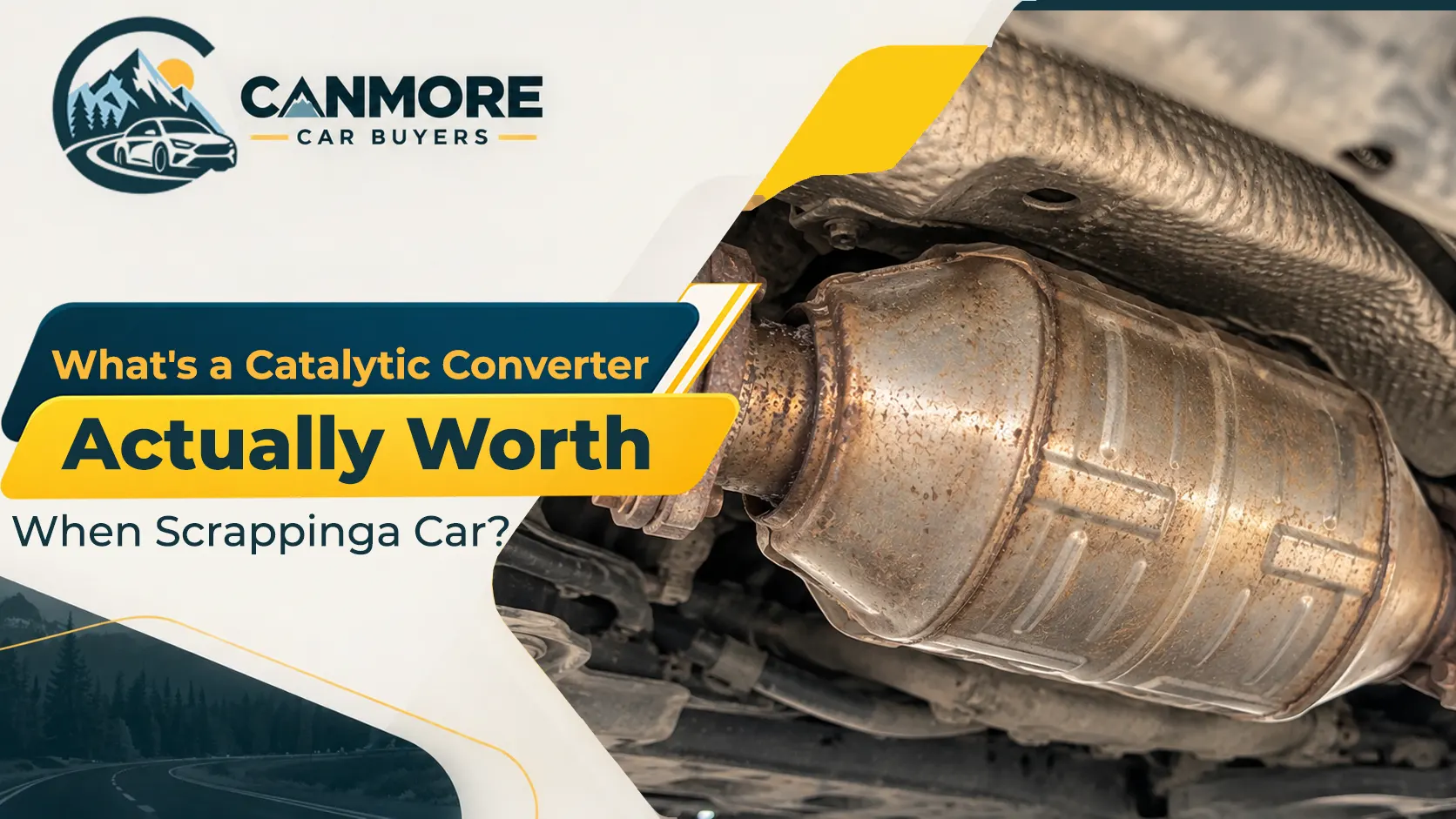
When a sale involves a catalytic converter or another item covered by Alberta’s scrap metal rules, payment has to go through a traceable method rather than cash, and the buyer is required to record the seller’s identification.
A buyer who insists on cash for a transaction that should be traceable, or who won’t collect basic identification when it’s actually required, isn’t just being informal. That combination is a real warning sign about how the rest of the transaction might go.
Why Won't Some Buyers Answer Questions About Licensing?
A legitimate automotive business operating in Alberta can generally tell you which AMVIC licence class applies to what they’re doing, whether that’s retailer, wholesaler, or automotive repair for dismantling and recycling.
A buyer who dodges the question entirely, or gets defensive when asked, isn’t necessarily running a scam, but a buyer who won’t identify the applicable licence or business status gives you a reason to verify the company independently before proceeding. Checking AMVIC’s online licence database takes less time than the call itself, and it costs you nothing to confirm.
Why Would a Buyer Ask You to Hide a Lien?
Some buyers, aware that a lien complicates a sale, will suggest just not mentioning it. This isn’t a shortcut worth taking. A lender’s security interest doesn’t disappear because it went unmentioned, and the seller, buyer, and lender may end up having to resolve the issue later, sometimes well after the vehicle itself is long gone.
A buyer who’s comfortable suggesting you skip this disclosure is telling you something about how they’d handle other details too, and that suggestion could be taken as a warning sign on its own.
How Do You Protect Yourself From Junk Car Scams?
A handful of habits protect you no matter which buyer you end up choosing, and none of them take more than a couple of extra minutes on the phone:
- Get the quote in writing once you’ve described the vehicle accurately, even if it’s just a text message or email confirming the number.
- Ask what could change the price before pickup, so a legitimate adjustment doesn’t come as a surprise and an illegitimate one is easier to spot.
- Confirm the payment method upfront, especially for any transaction that should be traceable rather than cash.
- Get everything in one document where possible: the quote, any fees, and the payment method, rather than piecing it together from separate conversations.
- Trust a pattern over a single detail. One unusual request isn’t necessarily a red flag, but several together usually are.
How Do You Sell Safely in Canmore and the Bow Valley?
Distance can make a bait-and-switch more frustrating, particularly when a buyer has already travelled a long way to reach the property and you feel pressure to accept a lower offer rather than start the process over. Getting a quote in writing before a truck makes the trip out from wherever it’s coming from protects you either way, and it’s a reasonable thing to ask for regardless of how far the buyer has to travel.
Key Questions Answered
How do I know if a junk car buyer is trying to scam me?
Watch for a quote that changes significantly at pickup without a clear reason, fees that weren't mentioned upfront, or pressure to accept cash for a transaction that should be traceable. A single odd detail isn't necessarily a scam, but several together are worth taking seriously.
Is it normal for a junk car price to change after the initial quote?
Sometimes, if the vehicle's actual condition differs from what was described over the phone. What's not normal is a price that consistently drops with vague or shifting explanations each time, which points to a sales tactic rather than an honest reassessment.
Can a junk car buyer legally charge me a towing fee I didn't agree to?
No. Alberta's Vehicle Towing and Storage Regulation requires a written estimate of all towing and storage costs before a vehicle is towed, along with an itemized invoice before payment. A fee introduced afterward without that upfront disclosure isn't compliant with current rules.
Why would a buyer want to pay in cash instead of e-transfer?
For transactions covered by Alberta's scrap metal rules, such as ones involving a catalytic converter, payment is required to be traceable rather than cash. A buyer pushing for cash on a covered transaction may be trying to avoid the identification and reporting that traceable payment involves.
What should I do if I think I've been scammed by a junk car buyer?
Document everything first, including quotes, texts, invoices, and photos. For a complaint involving regulated towing or storage services, contact Alberta's Consumer Investigations Unit. If the issue involves an automotive business, a sales practice, or advertising within AMVIC's jurisdiction, AMVIC may also be able to review it.
How Canmore Car Buyers Approaches This
We quote based on the vehicle details you give us and stick to that number unless something about the vehicle turns out to be materially different in person. Fees and payment methods are discussed upfront, not introduced at pickup. If you’re comparing us against another buyer, our Why Choose Us page is a good place to see what to check for either way.
Call Canmore Car Buyers at (587) 807-6797 or email hello@canmorecarbuyers.ca and we’ll walk through your vehicle’s details and give you a number we can stand behind at pickup.
The Final Thoughts
Most junkyard scams and junk car buyer scams follow a handful of predictable patterns: a quote that shrinks at pickup, fees that appear after the fact, payment that’s harder to trace than it should be, and pressure to leave out a detail like a lien. None of these require special expertise to catch, just a habit of getting things in writing and asking a few direct questions before a truck is scheduled. That protects you whether you end up selling to us or somewhere else entirely.
References
- Government of Alberta. Vehicle Towing and Storage Regulation. https://www.alberta.ca/vehicle-towing-and-storage-regulation
- Government of Alberta. Scrap metal transactions. https://www.alberta.ca/scrap-metal-transactions
- Alberta Motor Association. Know Before the Tow. https://amainsider.ama.ab.ca/spring-2026/know-before-the-tow
- Alberta Motor Vehicle Industry Council. Business licence classes. https://www.amvic.org/business/business-licence/business-license-classes/